Eye care basics
Diabetes and Vision: What to Monitor and Why Screening Matters
By Healthy Vision Center editorial team · Published August 28, 2026 · Updated August 28, 2026 · 7 min read
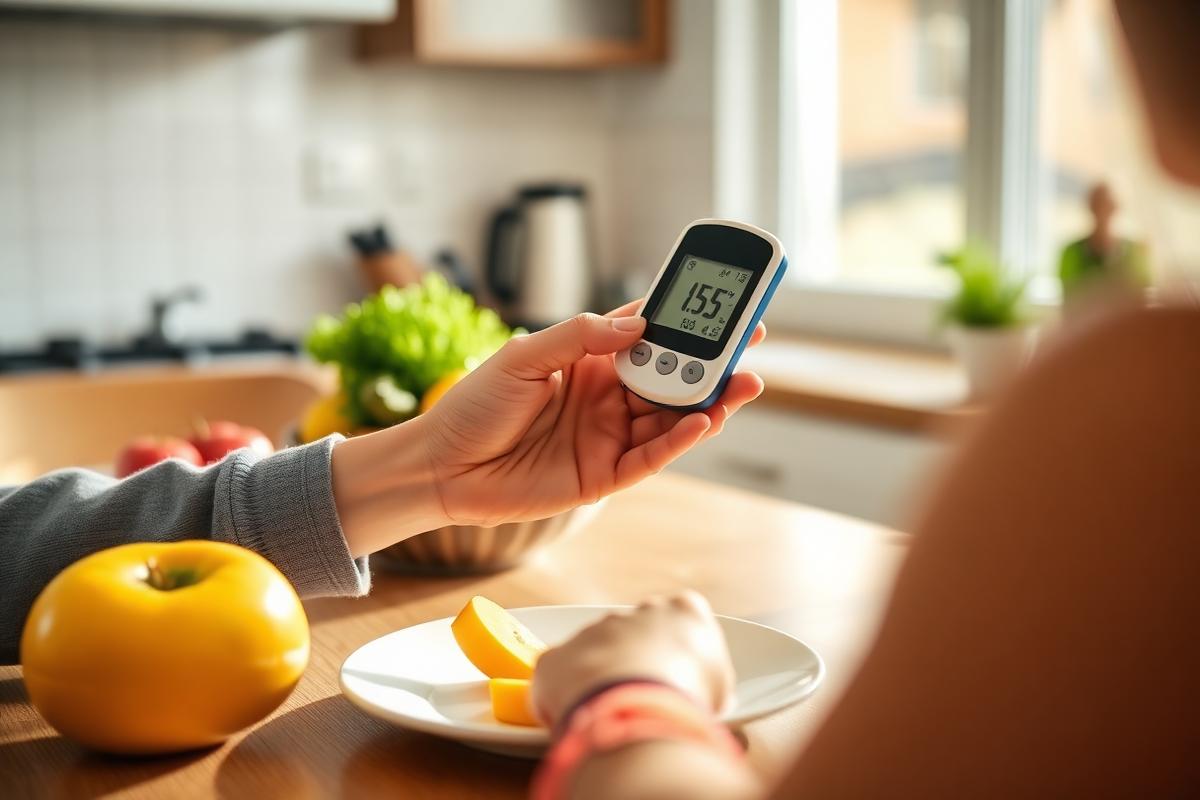
Diabetic retinopathy usually causes no symptoms until it is advanced. That is exactly why the screening schedule exists, and why no supplement substitutes for it.
What is happening in the retina
Persistently elevated blood glucose damages the small blood vessels supplying the retina. Vessels leak, close off, and in later stages the retina grows fragile new vessels that can bleed.
Fluid can also collect in the macula, the central vision area. This is the most common reason vision changes in people with diabetes.
Screening intervals
- Type 2 diabetes: a dilated eye exam at diagnosis, then at least yearly unless your clinician advises otherwise.
- Type 1 diabetes: typically starting within five years of diagnosis, then yearly.
- Pregnancy with pre-existing diabetes: more frequent monitoring, since retinopathy can progress faster.
- Any new blurring, floaters or distortion: get seen promptly, not at the next scheduled visit.
The numbers that influence eye outcomes
- Blood glucose control over time, usually tracked as HbA1c.
- Blood pressure, which independently affects retinal vessel damage.
- Blood lipids, associated with deposits in the retina.
- Smoking status, which compounds vascular risk throughout the body.
Where supplements fit
They do not treat diabetic retinopathy. The interventions with strong evidence are metabolic control and timely ophthalmic treatment such as laser or injections when indicated. Anything marketed as reversing diabetic eye damage should be treated as a red flag, and discussed with your care team before purchase.
Sources referenced
- Diabetic retinopathy preferred practice pattern — AAO
- Standards of care in diabetes, retinopathy screening — American Diabetes Association
Reviewed against published clinical guidance. See our editorial policy.
Keep reading
Everyday habits
A Daily Routine for Dry, Gritty Eyes That Costs Almost Nothing
Warm compresses, lid hygiene, blink training and environment tweaks: a practical dry eye routine built from the measures with the best support.
August 30, 2026 · 6 min read

Research explained
Childhood Myopia: What Outdoor Time Research Actually Shows
Short-sightedness in children is rising worldwide. Outdoor time has some of the most consistent evidence for slowing onset, and here is the detail.
August 29, 2026 · 7 min read