Eye care basics
How Often You Need an Eye Exam, and What Each Test Is For
By Healthy Vision Center editorial team · Published March 19, 2026 · Updated July 2, 2026 · 6 min read
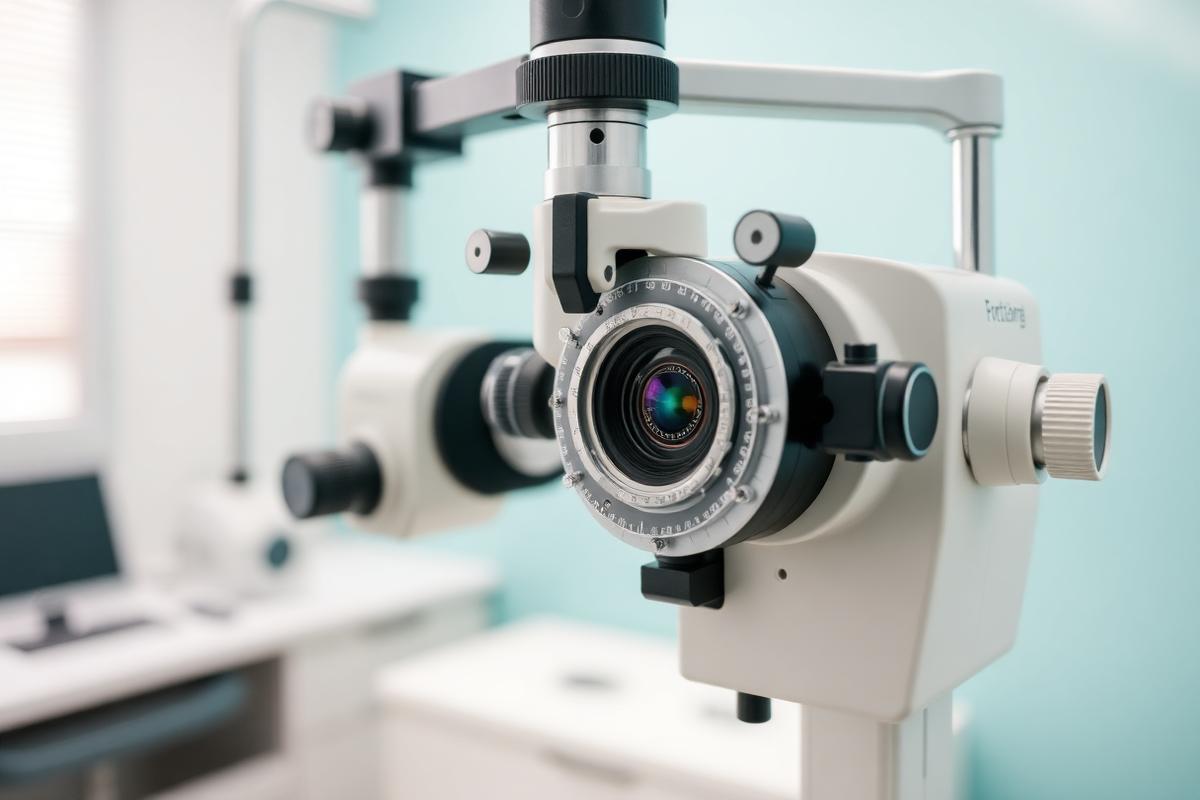
The most valuable thing you can do for your eyes costs nothing at home: get examined on a sensible schedule, because the conditions that matter most are usually silent early on.
General intervals
- Children: vision screening in infancy and early childhood, then as advised.
- Adults under 40 with no symptoms or risk factors: a baseline exam and periodic follow-up.
- Adults 40 and over: more regular exams, since presbyopia and early glaucoma changes appear in this window.
- Age 65 and over, or anyone with diabetes, high blood pressure, high myopia, or a family history of glaucoma or macular degeneration: at least yearly, or as your clinician directs.
What each part of the exam does
- Refraction determines your prescription.
- Intraocular pressure measurement is one of several glaucoma risk inputs, not a diagnosis on its own.
- Dilation lets the clinician see the peripheral retina, where tears and detachments often begin.
- Retinal imaging or OCT gives a cross-section of the macula and optic nerve that can be compared year to year.
Symptoms that mean go now, not later
Sudden vision loss, a curtain or shadow across your field, a sudden shower of floaters, flashes of light, or significant eye pain are urgent. Do not wait for a routine appointment and do not try to manage these with supplements.
Sources referenced
- Comprehensive adult eye evaluation preferred practice pattern — AAO
- Diabetic retinopathy screening guidance — American Diabetes Association
Reviewed against published clinical guidance. See our editorial policy.
Keep reading
Everyday habits
A Daily Routine for Dry, Gritty Eyes That Costs Almost Nothing
Warm compresses, lid hygiene, blink training and environment tweaks: a practical dry eye routine built from the measures with the best support.
August 30, 2026 · 6 min read

Research explained
Childhood Myopia: What Outdoor Time Research Actually Shows
Short-sightedness in children is rising worldwide. Outdoor time has some of the most consistent evidence for slowing onset, and here is the detail.
August 29, 2026 · 7 min read