Supplement literacy
How to Read a Vision Supplement Label Without Getting Fooled
By Healthy Vision Center editorial team · Published August 25, 2026 · Updated August 25, 2026 · 7 min read
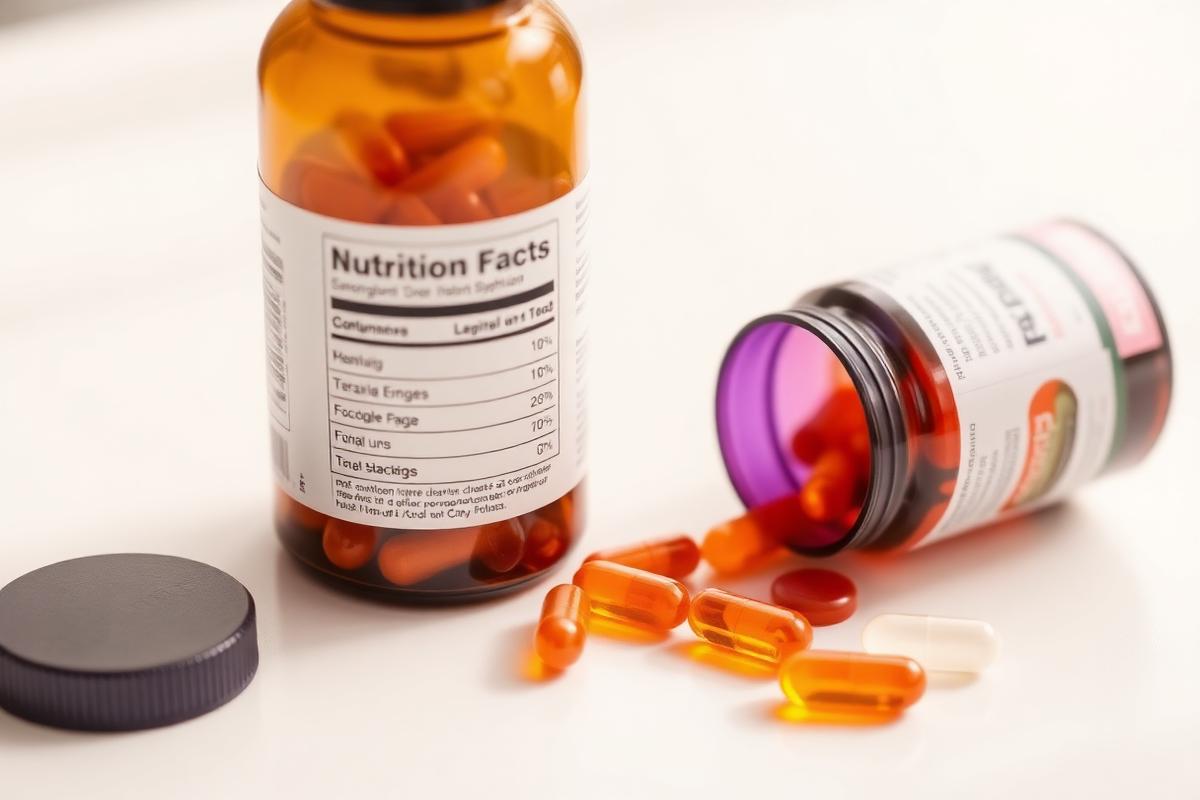
Two bottles can list the same ingredients and deliver wildly different amounts. The label tells you which is which, if you know where to look.
Start with the supplement facts panel
- Check the serving size first. A cheaper bottle often means three capsules per serving, not one.
- Look for per-ingredient amounts in milligrams, not just a list of names.
- Compare those amounts against the doses used in published trials, not against the biggest number on the front label.
Watch for proprietary blends
A proprietary blend lists several ingredients under one total weight. That is legal, and it also means you cannot tell whether the blend is mostly the studied nutrient or mostly a cheap filler.
Fairy dusting refers to including a trendy ingredient at a token amount so it can appear on the label. A blend makes this impossible to detect from the outside.
Claims language and what it means
- Structure and function claims ('supports eye health') are permitted and are not evidence of a clinical effect.
- Any product implying it treats, cures or prevents an eye disease is making a claim supplements are not permitted to make.
- Before-and-after vision imagery and 'doctors hate this' framing are marketing, not data.
Quality signals worth checking
- Third-party testing marks such as USP or NSF indicate independent verification of contents.
- A clear manufacturer name, lot number and expiry date are basic accountability.
- Ingredient forms matter; some carotenoid and mineral forms are absorbed better than others.
Before you buy anything
Bring the label to your eye doctor or pharmacist and ask whether it duplicates something you already take or interacts with your medication. That conversation costs nothing and is worth more than any review, including ours.
Sources referenced
- FDA guidance on dietary supplement labeling — fda.gov
- Office of Dietary Supplements fact sheets — ods.od.nih.gov
Reviewed against published clinical guidance. See our editorial policy.
Keep reading
Everyday habits
A Daily Routine for Dry, Gritty Eyes That Costs Almost Nothing
Warm compresses, lid hygiene, blink training and environment tweaks: a practical dry eye routine built from the measures with the best support.
August 30, 2026 · 6 min read

Research explained
Childhood Myopia: What Outdoor Time Research Actually Shows
Short-sightedness in children is rising worldwide. Outdoor time has some of the most consistent evidence for slowing onset, and here is the detail.
August 29, 2026 · 7 min read